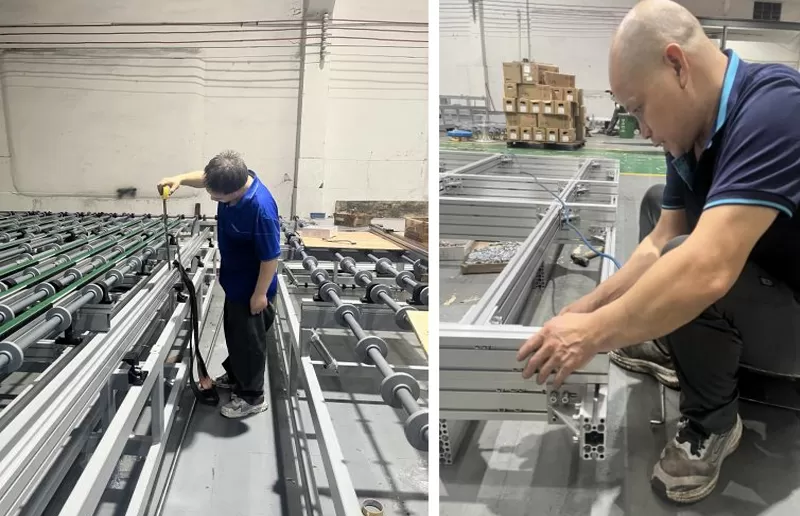
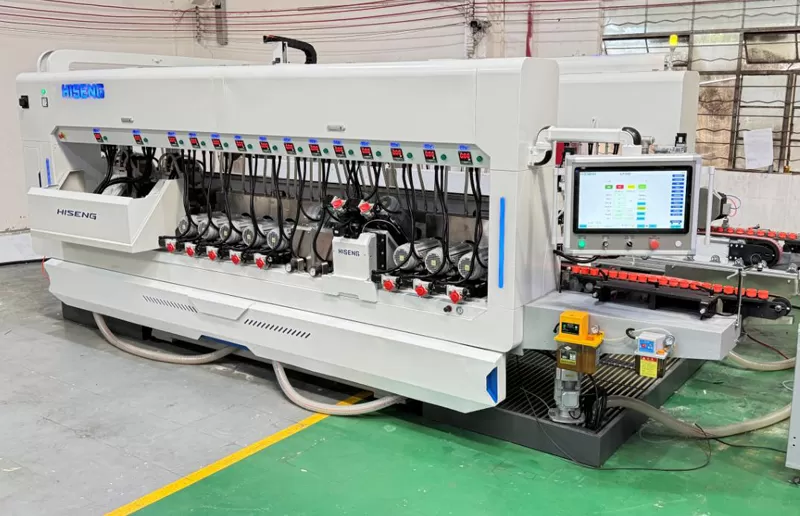
A glass sand blasting machine is specialized equipment that uses compressed air to propel fine abrasive media onto glass surfaces, creating controlled frosting, etching, or cleaning effects. Understanding the machine's operation and safe usage practices allows glass processors to enhance product quality, boost production efficiency, and increase customer satisfaction.
A glass sand blasting machine roughens, frosts, etches, or cleans glass surfaces by bombarding them with high-speed abrasive particles. In practical production, the equipment serves several core purposes. It creates surface frosting for privacy by removing a thin layer of glass to produce a matte or satin finish. This allows light transmission while obscuring clear visibility, making it ideal for office partitions, shower doors, and storefronts. The machine also enables decorative etching and patterns. Operators use masks or resists to blast specific zones, producing logos, artwork, gradients, and deep-etched textures suitable for architectural and interior design glass. Functionally, controlled roughening improves slip resistance on floor glass, enhances bond strength for coatings or laminates, and prepares surfaces for printing or painting. Additionally, sand blasting removes paint, oxides, minor scratches, and contaminants from glass or related hardware, extending component lifespan and improving appearance.
A glass sand blasting machine operates by using compressed air to accelerate abrasive media through a nozzle onto the glass surface, removing a controlled portion of material within a closed or semi-enclosed system.
The process begins with glass loading and positioning. The operator or an automatic loader places flat glass on conveyor rollers or inside a cabinet, aligning it precisely to ensure accurate blasting in the target area. In automated vertical lines, glass moves at a constant speed to achieve a uniform finish.
If decorative or localized blasting is needed, masking and pattern setup follows. Films, resists, or stencils are applied so that only exposed areas are abraded. Alternatively, CNC-controlled guns can follow programmed paths to create digital patterns.
Next comes abrasive feeding and pressurization. Abrasive media such as brown corundum, crushed glass, or glass beads is stored in a hopper and fed into a pressurized chamber. A compressor raises air pressure, typically to 0.4–0.8 MPa (4–8 bar), which is standard for industrial abrasive blasting.
Inside the blast pot or mixing chamber, air–abrasive mixing occurs as compressed air entrains the media and pushes the mixture through hoses to the nozzles. Valves adjust the air-to-abrasive ratio to balance cutting power, surface roughness, and media consumption.
The mixture then exits through one or more nozzles at high velocity—often exceeding 50–100 m/s—creating high-speed impact on the glass. Each particle dislodges tiny fragments, progressively forming the desired frosted, etched, or cleaned finish.
In closed systems, media collection and recycling take place as spent abrasive and glass dust fall into a collection zone. Separators remove oversized particles and debris, allowing reusable media to return to the hopper. Efficient recovery systems can reduce fresh abrasive consumption by over 50 percent.
Dust extraction and filtration systems capture fine particles to maintain visibility, protect workers, and meet air-quality regulations. Effective extraction also improves subsequent coating adhesion by keeping surfaces clean.
Finally, unloading and inspection occur as the glass leaves the blasting zone. Operators check uniformity, depth, and pattern accuracy before proceeding to washing, laminating, or tempering. Many facilities immediately route blasted glass through an automatic washing machine to remove residual dust.
A glass sand blasting system consists of mechanical glass handling equipment, a pressurized blasting circuit, dust extraction, and control units for process automation. The compressed air system serves as the heart of the operation, with the compressor generating high-pressure air to drive abrasive particles. Air dryers and filters are commonly added to prevent moisture from clogging media and nozzles. The abrasive hopper and metering valves store the blasting media and feed it into the air stream using gravity or pressure. Metering valves precisely control flow rate, directly influencing surface roughness and production throughput. The blast pot or pressure vessel holds abrasive under pressure before release into the hoses. These industrial vessels meet pressure-vessel standards and require regular safety inspections. Blast hoses and nozzles use wear-resistant materials to guide the mixture. Ceramic or tungsten-carbide nozzles shape the stream, with diameter and geometry significantly affecting impact energy—larger nozzles increase coverage area but consume more air. Glass conveying and support systems, such as rollers or belts in vertical machines, transport glass through the blasting chamber at controlled speeds. Suction cups or guides keep panes steady, preventing vibration that could cause uneven texture or breakage. Dust extraction and filtration components, including fans, ducts, and multi-stage filters with cyclones and cartridges, capture airborne dust and fine abrasives to protect workers and prevent contamination of nearby equipment. The control panel and automation rely on PLC-based systems that allow operators to set conveyor speed, nozzle movement patterns, blasting time, and alarm limits. Advanced setups integrate sandblasting controls with upstream loaders and downstream washing or edging lines for seamless production.
Sand blasting is widely used to create decorative, privacy-enhancing, and performance-boosting finishes on architectural, interior, and industrial glass products.
In architectural and interior applications, frosted partitions, doors, and balustrades provide privacy while maintaining light transmission, which is essential in modern offices and hotels. Designers often specify gradient or patterned blasting to add depth and visual interest in lobbies and facades.
Bathroom and residential glass frequently features partial blasting on shower doors, wardrobe doors, and window panes to mask specific zones. This method delivers privacy and a premium aesthetic at a lower cost than specialty laminated glass.
Branding, signage, and artwork benefit from blasted logos or text on entrance glass and interior panels. Fine-detail work with resists and multiple passes can produce rich three-dimensional effects for art glass and awards.
Functional and industrial glass applications include light-diffusing covers, anti-glare surfaces, and gripping finishes on stairs or floors that rely on controlled roughness. Blasting also prepares glass or ceramic components for bonding, coating, or printing in industrial settings.
Sand blasting differs from alternatives such as acid etching, coatings, and printing in terms of durability, flexibility, and production needs.
Sand blasting relies on mechanical abrasion with high-speed abrasive media to produce matte to deep-etched finishes with adjustable roughness. It offers high pattern flexibility using resists or CNC control and is well-suited for one-off projects. The effect is a permanent change to the glass surface. Equipment investment is moderate, involving a blast machine, compressor, and dust collector. Primary concerns include dust and noise, requiring strong PPE and ventilation.
Acid etching uses chemical removal for a very smooth, uniform satin appearance. It provides moderate pattern flexibility and permanent modification, but involves chemical handling and waste treatment.
Coatings and printing add material to the surface before curing or firing, enabling colored or patterned results that can be glossy or matte. Digital printing supports high-detail patterns, though durability depends on the ink or coating. Equipment needs include printers, dryers, or kilns, with considerations for emissions and waste.
| Aspect | Sand Blasting | Acid Etching | Coatings/Printing (e.g., ceramic) |
|---|---|---|---|
| Process principle | Mechanical abrasion using high-speed abrasive media | Chemical removal of glass surface with acids | Material added onto glass surface then cured or fired |
| Typical finish | Matte to deep-etched, adjustable roughness | Very smooth, uniform satin appearance | Colored or patterned, can be glossy or matte |
| Pattern flexibility | High with resists/CNC control; easy one-offs | Moderate; masking needed, slower changeover | Very high; digital printing supports photo-level detail |
| Durability of effect | Permanent change to glass surface | Permanent chemical modification | Depends on ink/coating and firing; can be highly durable |
| Equipment investment | Medium; blast machine, compressor, dust collector | Medium to high; chemical handling and treatment | Medium to high; printers, dryers, or kilns |
| Environmental and safety | Dust and noise; PPE and ventilation critical | Chemical risk, waste treatment required | Depends on inks/solvents; emissions and waste to manage |
| Typical applications | Privacy glass, decorative panels, anti-slip surfaces | High-end decorative glass, smooth privacy finishes | Colored patterns, logos, functional coatings |
Safe operation of glass sand blasting machines requires effective control of dust, noise, and impact risks through engineering measures, personal protective equipment, and consistent maintenance.
Operators should always wear appropriate PPE, including a blasting helmet or full-face shield, NIOSH-approved respirator, hearing protection, gloves, and durable clothing or a blast suit to guard against rebounding abrasives. Dust levels can reach hazardous concentrations capable of causing lung damage over time if protection is inadequate.
Dust and ventilation must be strictly managed. Enclosures, barriers, and exhaust systems should capture particles at the source to isolate blasting zones from other workers. Standards emphasize ventilation, containment, and use of less hazardous media as key controls.
Material hazards require attention. Traditional silica sand poses risks of silicosis and lung cancer, so many facilities now prefer crushed glass, glass beads, or aluminum oxide. Operators must also account for any coatings or contaminants on the glass that could release hazardous dusts. To protect glass integrity, deep etching on tempered glass should generally not exceed 10 percent of thickness to avoid breakage, and even light frosting can reduce strength benefits, requiring careful design consideration for load-bearing parts.
For maintenance and reliability, wear parts such as nozzles, hoses, and metering valves should be inspected regularly, as gradual wear increases media use and reduces consistency. Compressors need scheduled oil changes and filter replacements to maintain stable pressure, while dust collectors and filters require cleaning or replacement for optimal airflow. Recycled media should be screened to remove contaminants that could scratch glass or clog systems. Many operations aim for recycling rates above 60–70 percent, fine-tuning based on inspections and tests. Thorough operator training in hazard recognition, PPE use, and emergency procedures remains essential, with equipment suppliers like HISENG often providing additional process training for optimal performance and fewer defects.
HISENG Glass Machinery is a specialist manufacturer of industrial glass processing equipment, particularly recognized for advanced edging technology and integrated production lines. Although the company focuses on edging, washing, and related machines, its solutions are frequently installed alongside sand blasting equipment to deliver complete lines from raw glass loading to finished products. Partnering with a dedicated glass machinery supplier offers industry-specific design, reliable long-term spare parts support, and expert process optimization guidance.
1. What is the basic principle of glass sand blasting?
Glass sand blasting is a controlled abrasion process in which high-velocity abrasive particles remove a thin layer of glass to alter its texture or appearance. The method can smooth rough surfaces, roughen smooth ones, or create patterns and images with the help of masks.
2. Which abrasive media are commonly used on glass?
Common choices include aluminum oxide, brown corundum, crushed glass, and glass beads. Each provides different levels of cutting aggressiveness and surface finish. Many facilities avoid crystalline silica sand due to health risks such as silicosis and lung cancer.
3. Can tempered glass be sand blasted?
Tempered glass can be surface-frosted, but blasting deeper than approximately 10 percent of the glass thickness risks shattering. Even shallow blasting may reduce tempering strength benefits by about half, so engineers should verify safety margins for the intended use.
4. How fast can a glass sand blasting machine process glass?
Throughput varies with glass size, desired finish, nozzle power, and automation level. Industrial systems can handle several square meters per minute for light frosting, with multi-gun automatic vertical machines further boosting capacity for tall panels.
5. What safety regulations apply to abrasive blasting?
Regulations generally require risk assessments, engineering controls for dust and noise, and certified PPE such as respirators and blast helmets. Employers must comply with occupational exposure limits for dust and substances like crystalline silica.
6. How do I integrate a sand blasting machine into an existing glass line?
Integration involves matching glass sizes, conveyor heights, and cycle times with upstream cutting or edging equipment and downstream washing or tempering systems. Collaborating with a specialist supplier like HISENG for layout and control integration helps prevent bottlenecks and maintain consistent quality.
A glass sand blasting machine is a powerful tool for producing frosted, decorative, and functional finishes by projecting abrasive media at high speed onto glass surfaces. When paired with suitable media, optimized parameters, and strong safety controls, it creates durable and visually appealing products that add significant value across architectural, interior, and industrial applications.
By choosing reliable equipment, investing in operator training, and integrating sand blasting with proven solutions such as HISENG's washing and edging machines, glass processors can develop efficient and scalable production lines capable of meeting demanding customer needs. The best starting point when planning a new line or upgrade is clearly defining the primary application—whether privacy glass, decorative art, or industrial functional glass—before selecting the right blasting solution.


 EN
EN
 jp
jp  fr
fr  de
de  fa
fa  es
es  ru
ru  pt
pt  tr
tr  ar
ar  vi
vi